
Pet Care Software Comparison Guide (2026 Buyer’s Guide)

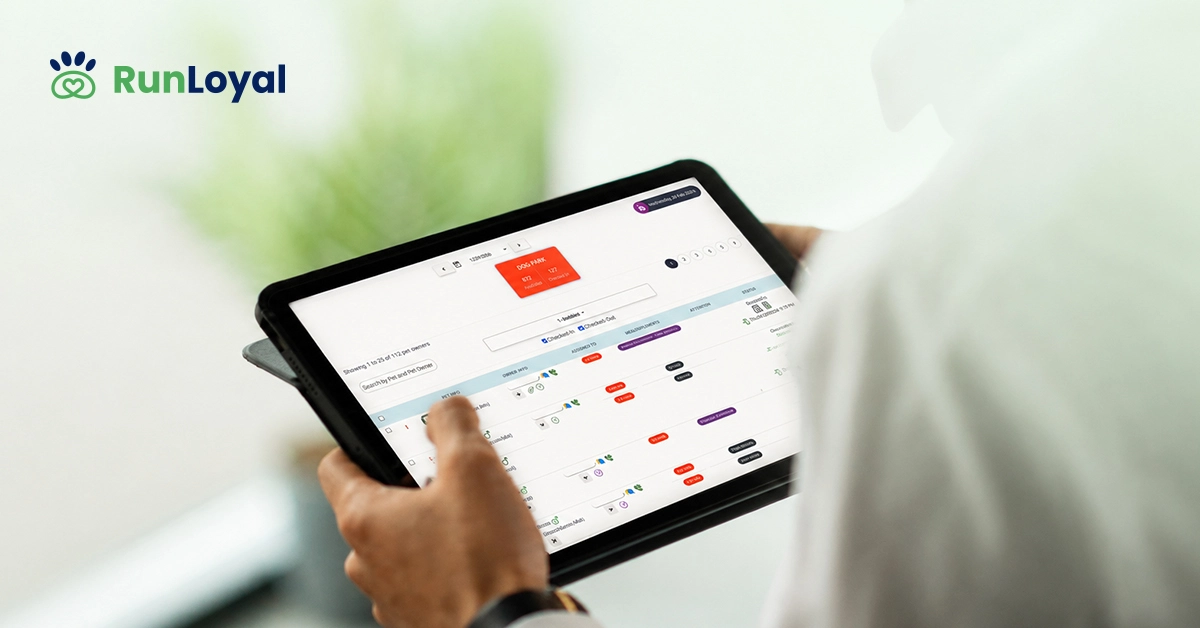
Choosing software for your pet care facility is one of the most important operational decisions you will make. The right platform can streamline operations, improve customer experience, increase revenue, and reduce staff workload. The wrong choice can create daily frustration and limit long-term growth.
This guide explains exactly what pet care businesses should evaluate before choosing software in 2026. If you run a daycare and want to see the options side by side, our comparison of the best dog daycare software reviews eight tools on price, trials and pet parent apps.
Quick takeaways
- Prioritize customer experience, not just features
- Evaluate automation and efficiency tools
- Ensure mobile booking works seamlessly
- Choose software that scales with growth
- Maintain ownership of your customer relationship
On this page
- Why Software Decisions Matter More Than Ever
- Step 1: Identify Your Facility’s Real Needs
- Step 2: Evaluate the Customer Experience First
- Step 3: Branded Platforms vs. Marketplace Apps
- Step 4: Look Beyond Scheduling Features
- Step 5: Evaluate Automation and Staff Efficiency
- Step 6: Make Sure Reporting Helps You Make Decisions
- Step 7: Consider Scalability Before You Need It
- Questions Every Facility Should Ask Before Choosing Software
- Common Mistakes Facilities Make When Choosing Software
- The Future of Pet Care Software
- Choosing the Right Partner for Long-Term Growth
Why Software Decisions Matter More Than Ever
Pet parent expectations now include mobile booking, instant confirmations, direct messaging, digital records, and seamless payments. Facilities relying on outdated systems often experience higher workload and missed revenue opportunities. Modern pet care management software directly impacts both customer satisfaction and operational success.
Related:Business Portal
Step 1: Identify Your Facility’s Real Needs
Different facility types prioritize different capabilities:
Boarding facilities often need
- Capacity management
- Multi-day reservations
- Medication tracking
- Check-in and check-out workflows
Daycare facilities often need
- Recurring bookings
- Package tracking
- Attendance management
- Membership billing
Grooming businesses often need
- Appointment scheduling
- Groomer availability management
- Service customization
- Automated reminders
Step 2: Evaluate the Customer Experience First
Ask yourself:
- Is booking simple on mobile?
- Can customers manage reservations themselves?
- Is communication centralized?
- Does the experience reflect your brand?
A strong front-end experience reduces staff workload and improves customer satisfaction.
Step 3: Branded Platforms vs. Marketplace Apps
Key differences include:
Marketplace-style platforms
- Shared branding
- Limited customization
- Customers associate experience with vendor brand
Branded platforms
- Your logo and identity throughout the experience
- Direct customer communication
- Stronger loyalty and retention
Related:Branded App
Step 4: Look Beyond Scheduling Features
Long-term success depends on deeper capabilities:
- Automated communication
- Integrated payments
- Reporting and analytics
- Membership management
- Add-on promotion during booking
- Staff efficiency tools
Step 5: Evaluate Automation and Staff Efficiency
Good software reduces repetitive work, such as:
- Confirmation messages
- Vaccination reminders
- Payment collection
- Reservation updates
Step 6: Make Sure Reporting Helps You Make Decisions
Strong reporting should answer questions like:
- Which services generate the most revenue?
- When are peak booking periods?
- Which customers visit most frequently?
- Which add-ons perform best?
Step 7: Consider Scalability Before You Need It
Choose software designed to scale with additional services, staff, or locations to avoid costly migrations later.
Questions Every Facility Should Ask Before Choosing Software
- Who owns the customer relationship?
- How easy is onboarding and data migration?
- What support is included?
- Are updates included or extra?
- How long does implementation take?
- Can the system grow with multiple locations?
Common Mistakes Facilities Make When Choosing Software
- Choosing based only on price
- Ignoring customer experience
- Underestimating onboarding support
- Overlooking mobile usability
- Selecting systems built for another industry
The Future of Pet Care Software
- Automation and AI assistance
- Mobile-first customer experiences
- Data-driven decision tools
- Integrated communication
- Branded digital experiences
Pet care software buyer’s guide FAQ
What should I look for in pet care management software?
Start with your facility type. Boarding facilities often need capacity management, multi-day reservations, medication tracking and check-in and check-out workflows. Daycares often need recurring bookings, package tracking, attendance management and membership billing. Grooming businesses often need appointment scheduling, groomer availability management, service customization and automated reminders. Then check the customer experience, payments, reporting and how well the system scales.
What is the difference between a branded platform and a marketplace-style app?
Marketplace-style platforms use shared branding and offer limited customization, so customers tend to associate the experience with the vendor’s brand. Branded platforms put your logo and identity throughout the experience and support direct customer communication, which can build stronger loyalty and retention.
What questions should I ask a pet care software vendor before choosing?
Ask who owns the customer relationship, how easy onboarding and data migration are, what support is included, whether updates are included or cost extra, how long implementation takes, and whether the system can grow with multiple locations.
What reports should pet care software provide?
Strong reporting should show which services generate the most revenue, when your peak booking periods are, which customers visit most often and which add-ons perform best, so you can make decisions from your own data.
What mistakes do facilities make when choosing pet care software?
Common mistakes are choosing based only on price, ignoring the customer experience, underestimating onboarding support, overlooking mobile usability and selecting a system built for another industry.
Choosing the Right Partner for Long-Term Growth
The best platforms support better customer relationships, operational efficiency, and scalable growth.